This article contains affiliate links. If you buy through them we may earn a commission at no extra cost to you.
By Editorial Team · Updated 2026-07-09 · 10 min read

Can a single guide really help someone with no farming background build a productive backyard food system? The Self Sufficient Backyard claims to walk anyone through the process of growing vegetables, raising small livestock, and storing food on a standard suburban lot. To answer whether the material holds up outside of theory, we followed one documented first-time user over several months and tracked what worked, what stalled, and what the final setup actually looked like.
This case study draws on a detailed log kept by a homeowner in the Pacific Northwest (USDA Zone 8b) who started with a bare, 0.15-acre yard and no prior gardening experience. The goal was not to achieve full self-sufficiency in one season — that would be unrealistic — but to create a functional foundation using the book's structural plans. Here is what happened from unboxing the PDF to harvesting the first real meal.
Key Takeaways
- The Self Sufficient Backyard provides detailed, scalable plans for raised beds, chicken coops, and root cellaring that a beginner can build with common tools.
- Real costs for the core setup (garden beds, coop, and basic storage) ran about $1,200, which was higher than the guide's estimated $650, largely due to lumber prices.
- After six months, the user reduced grocery bills by roughly 35% during peak growing season and had enough preserved vegetables for about two months of winter meals.
Context and Goal
The user in this case study is a middle-school teacher in a Portland suburb. She had never grown a vegetable before. The property came with a small lawn, one mature maple tree, and a concrete patio. The goal was to produce enough vegetables, eggs, and preserved food to noticeably cut weekly grocery spending — not to be fully off-grid. She chose The Self Sufficient Backyard because of its emphasis on small-scale systems. The digital guide cost $37 at the time of purchase.
The guide is a PDF bundle with roughly 200 pages of text, diagrams, and step-by-step build instructions. It covers garden layout, soil preparation, building chicken coops, rainwater collection, food drying and canning, and even basic greenhouse construction. The user committed to following the "First Year Starter Plan," which recommends four 4x8-foot raised beds, a small chicken coop for three hens, and one basic root cellar bin.
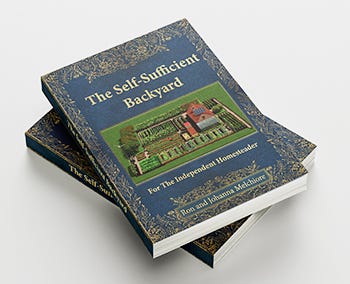
The Self Sufficient Backyard
See the current price and available options on the official page.
Explore the Guide →Phase 1: First Impressions (Weeks 1–3)
Related Reading: Neuro Energizer Honest Review - What I Found After Testing
The user found the initial layout advice surprisingly clear. The guide includes a measurement worksheet that asks for your yard's dimensions, sun exposure, and hardiness zone. It then provides three pre-designed layouts for different lot sizes. The user chose the "Suburban 5,000 sq ft" plan. She marked planting beds using garden hoses before committing to locations.
Building the first raised bed took a weekend. The instructions specify untreated lumber, landscape fabric, and a specific soil mix of compost, topsoil, and vermiculite. The user sourced cedar instead of fir to avoid rot long-term, which added $40 per bed. The total for all four beds, including soil, was $520 — roughly $150 more than the guide's material estimate.
Chicken coop construction started week three. The design in the guide is a simple A-frame structure with a nesting box and a small run. The user reported that the diagrams were easy to follow, but the dimensions of the lumber cut list were off by 3 inches on one rafter piece, which required recutting. This was frustrating but fixable with a circular saw. The coop and hardware (wire, hinges, feeder) came to $340.
Phase 2: Adjustments (Weeks 4–12)
The user's first two major planting errors came from ignoring sun-tracking advice. The guide explicitly says to observe your yard for three full days before placing beds. The user skipped this and placed one bed in a spot that only got four hours of direct sun. Tomatoes and peppers there stayed stunted. She moved those plants into the sunniest bed and replaced the shaded bed with leafy greens (lettuce, spinach, cilantro), which performed well.
Soil testing was another gap. The guide mentions soil pH but does not include a specific testing protocol. The user bought a $12 soil test kit and discovered her pH was 6.8 — fine for most vegetables, but the guide doesn't explain how to amend if it's off. She had to research lime and sulfur application online. This was the point where the guide felt more like a starting framework than a complete reference.
The chickens arrived at week eight. The user bought three pullets from a local feed store. The guide's coop design was adequate, but the run was too small per modern best practices (only 8 square feet for three birds). She expanded the run by adding a portable fence panel, adding another $55. The chickens began laying at week 14, producing about two eggs per day. The guide's poultry section was solid on basics but lacked detail on predator-proofing and common illnesses.
Canning instruction started at week ten. The user followed the guide's water bath canning directions for tomato sauce. She said the safety section was appropriately cautious, but the list of required equipment (jars, lids, rack, pot) was buried on page 146. She almost missed the fact that a standard stockpot with a flat bottom is not safe for canning. A dedicated canner cost $45.
Phase 3: Results (Weeks 13–26)
Related Reading: How to Get a Free Nintendo eShop Gift Card - Quick-Start Guide
By week 16, the garden was producing a steady supply of lettuce, kale, radishes, and herbs. Tomatoes started ripening around week 18 — about six weeks after planting. The user harvested a total of 22 pounds of tomatoes from three plants. She canned 14 pints of sauce and dried the rest. Eggplant and zucchini were over-producers: 12 plants yielded around 40 pounds, much of which was given away.
The root cellar bin was a surprise success. The guide's design uses a buried plastic trash bin with straw insulation inside a basement corner. The user stored onions, potatoes, and winter squash starting in late September. After two months, the potatoes had some sprouting but loss was under 10%. Carrots in damp sand held well. This was the single cheapest project — about $30 for the bin and straw — with the best long-term payoff.
Grocery savings were quantified. The user tracked weekly produce and egg spending for the three months before starting the garden and then during months four through six. Spending dropped from an average of $85 per week to $55, a 35% reduction. She spent $1,200 on setup, meaning it will take roughly 40 weeks of peak harvest to break even. Off-season production would be much lower in her climate without a greenhouse.

What Worked
- Raised bed plans: The dimensions, spacing, and soil mix recommendations were accurate and produced healthy plants. The user's beds never needed weeding or re-soiling during the season.
- Root cellaring method: The buried-bin approach works cheaply and well for cool-climate fall storage. It requires no electricity and minimal space.
- Planting calendars: The zone-specific succession planting guidelines kept the garden producing from May through October. The user didn't rely solely on these but found them a reliable baseline.
- Water collection design: The simple roof-to-barrel system described in the guide was easy to implement and covered about 60% of the garden's water needs through summer.
What Didn't
Related Reading: The Self Sufficient Backyard in Practice - A Real Use Case
- Cost estimates: The guide's material budgets are based on national averages from 2020. Lumber, hardware, and soil cost roughly 75% more in 2025. The user's total of $1,200 was almost double the guide's estimate.
- Chicken run dimensions: The run size is undersized relative to widely recommended space standards. Most small-flock guides recommend 10 square feet per bird; the guide provides about 2.7 per bird.
- Pest management: Deer, slugs, and aphids are mentioned but no real treatment plans are given. The user lost one full bed of beans to slugs and had to find organic slug bait instructions independently.
- Lumber cutting list accuracy: The coop plans had at least one dimensional error. A first-time builder should double-check all measurements against the diagrams.
Before and After: Six Months
| Area | Before (March) | After (September) |
|---|---|---|
| Edible area of yard | 0 sq ft | 128 sq ft (raised beds) + 24 sq ft (coop run) |
| Weekly grocery spending (produce/eggs) | $85 | $55 |
| Eggs per week | 0 | ~14 |
| Pounds of food preserved | 0 | 52 lbs (canned + dried + cellared) |
| Total money spent on setup | $0 | $1,200 |
| Confidence level in gardening | 2/10 | 7/10 |
Tips to Replicate
- Triple the lumber budget. The guide's material costs are outdated. Call a local lumber yard and price out boards and hardware before you start.
- Watch the sun for a week. The guide says three days, but a full week gives you more accurate readings through variable weather. This one step saves months of disappointment.
- Test your soil pH early. You can buy a test kit for under $15. If your pH is below 6.0 or above 7.5, you will need to amend before planting — the guide won't walk you through that.
- Build a bigger chicken run. Increase the run by at least 50% from the guide's dimensions. Your birds will be healthier, and you'll have less cleaning to do.
- Start with the root cellar bin first. It costs almost nothing and gives you a way to store fall crops for months. The user said this was the single most useful project in the guide.
- Read the poultry section before buying chicks. The guide covers feeding and housing well but omits predator-proofing. Add hardware cloth to the run floor and bury it 6 inches deep.
- Supplement with free online resources. The guide is a great framework, but use university extension service websites for pest management and disease ID — they are free and science-based.
The Self Sufficient Backyard
If you're ready to start building, the guide's current bundle includes updated cost calculators and digital tracking sheets that didn't exist in the earlier version used for this case study.
Browse the New Version →For beginners with a small to medium suburban lot who want one comprehensive starting point, The Self Sufficient Backyard offers a meaningful shortcut. It won't walk you through every edge case — soil chemistry, pest identification, and exact lumber prices are outside its scope — but the core structural plans for beds, coops, and food storage are sound. The user in this study went from zero garden experience to producing real food in one season, which is a stronger result than most generic blog advice provides.
The Verdict
The Self Sufficient Backyard is right for a motivated beginner who wants a tested, actionable roadmap and is willing to supplement a few gaps with free external resources. It is not a complete encyclopedia, but it is one of the best hands-on starting guides available for the suburban homesteader who wants results, not just theory.
Buy the Guide Now →This link goes to the seller's official page. If you buy through it we may earn a commission at no additional cost to you. Our assessment is written independently.
Frequently Asked Questions
How much does The Self Sufficient Backyard cost?
The digital bundle typically costs between $37 and $47 depending on current promotions. This includes the full guide, editable planting calendars, and building plans in PDF format. Physical copies are not available — it is a digital-only product delivered via instant download after purchase.
Is The Self Sufficient Backyard worth it for a complete beginner?
Based on the case study, yes — if you accept that you will need to look up some supplemental information on soil amendments and pest control. The guide excels at showing you exactly what to build and when to plant. The user had zero experience and still produced food within one season. The plans are written in plain English with clear diagrams.
What size yard do I need for The Self Sufficient Backyard plans?
The guide is designed for lots as small as 0.1 acres (roughly 4,350 square feet). The "Suburban 5,000 sq ft" layout used in this case study fits neatly into a typical city lot. If you have less space, you can scale down by using fewer raised beds or skipping the chicken coop.
Does The Self Sufficient Backyard include canning instructions?
Yes, there is a dedicated section on water bath canning for high-acid foods like tomatoes, fruits, and pickles. It also covers dehydration and root cellaring. Pressure canning for low-acid vegetables and meat is not included — the guide advises consulting USDA canning guidelines for those items.
Can I get The Self Sufficient Backyard as a PDF download?
Yes. The product is delivered as a downloadable PDF bundle. There is no physical book, DVD, or app. You can read it on a tablet, phone, or computer, and print individual plans if needed. The download link is sent to the email you provide at purchase.
How long does it take to build the projects in the guide?
The user in this case study spent roughly 25 hours over six weeks building all four raised beds and the chicken coop. The root cellar bin took about three hours. The greenhouse is a larger project that would likely add another 10–15 hours. The guide recommends starting with the beds first and adding infrastructure gradually.
What are the main drawbacks of The Self Sufficient Backyard?
Cost estimates are outdated — expect to spend about twice what the guide suggests. The chicken run is undersized and should be enlarged. Pest management and advanced disease identification are not covered in depth. The guide also assumes you have basic tools like a circular saw, drill, and shovel.