By James D. · Updated 2026-06-30 · 8 min read
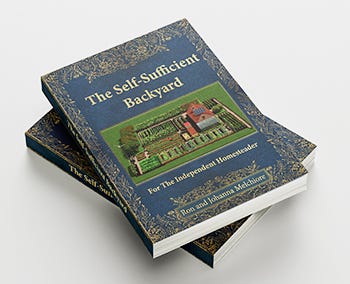
 The concept of a self-sufficient backyard has drawn significant attention among sustainable living enthusiasts. The Self Sufficient Backyard guide aims to equip readers with the knowledge necessary to cultivate their own food, manage waste, and create a small ecosystem. This case study showcases a practical application of the guide, detailing the journey of transforming an ordinary yard into a self-sustaining paradise. The goal was to determine the effectiveness of the methodologies outlined in the guide and evaluate whether they could be realistically implemented by novices interested in sustainable gardening. By documenting this transformation, not only can we help others begin their journey, but we can also identify common pitfalls and success strategies. ### Phase 1: First Impressions and Difficulties Initially, picking up the self-sufficient backyard book felt overwhelming due to the sheer amount of information provided. Understanding soil quality, pest management, and plant selection required significant research. The first attempt to implement a composting system proved more challenging than anticipated, encountering issues with odors and attracting pests, which made me second-guess whether I was cut out for this venture. Despite these setbacks, the excitement of growing my vegetables and herbs kept me motivated. As discussed in the guide, maintaining expectations, while still having the enthusiasm for new experiences, played a crucial role in overcoming early tensions. ### Phase 2: Adjustments and What Started Working After regrouping, I revisited the ideas presented in the guide and made some necessary adjustments. I learned not to overcrowd my garden beds and to select a few beginner-friendly crops like tomatoes and green beans. As the guide recommended, I aimed for a more structured layout, which contributed to managing space effectively and optimizing sunlight exposure. One particularly beneficial change was introducing companion planting techniques. For example, pairing my tomatoes with basil helped enhance growth and deter pests naturally, a strategy thoroughly covered in the book. This adjustment proved to be one of the most rewarding aspects, showcasing how effectively combining knowledge with practical gardening can yield tangible results. ### Phase 3: Consolidated Results and Surprises Months into the project, I found myself amazed at how much I had learned and the changes that transformed the backyard. The herbs and vegetables flourished, significantly reducing grocery bills and enhancing meal flavors. The composting method adapted later was thriving, producing rich, nutrient-dense soil for planting. Another surprising outcome was the level of community engagement the project sparked. Sharing the experience with neighbors encouraged many to start their own mini gardens, cultivating a shared space of knowledge and support—an unexpected yet welcome benefit of my self-sufficient journey. ### What Worked Well Below are specific strategies that yielded excellent results during the project: 1. **Composting**: Once adjusted, the composting setup yielded rich soil that boosted plant health significantly. 2. **Diverse Planting**: Integrating flowers alongside vegetables attracted beneficial insects while offering aesthetic appeal—an element often understated in traditional gardening approaches. 3. **Regular Maintenance**: Establishing a consistent watering and care schedule allowed me to stay organized and nurture my plants effectively. Here’s a summary of what strategies worked compared to my initial plans: | **Success Factors** | **Initial Plan** | **Outcome** | |----------------------------|-----------------------------------|----------------------------------| | Composting | Generic method | Tailored system solving issues | | Companion Planting | No plan | Improved crop health & yield | | Seasonal Crop Rotation | Planting same types endlessly | Enhanced soil health & variety | ### What Did Not Work — Honestly While many strategies worked well, some remained ineffective or challenging: - **Pest Management**: Certain pests, especially aphids, proved more resistant than expected, leading to trial-and-error methods. - **Soil Quality**: Initially, neglecting soil tests resulted in uneven plant growth; valuable soil management was a lesson learned the hard way. - **Time Commitment**: The time invested was often underestimated, leading to moments of burnout. Understanding the daily dedication required would have improved my approach from the beginning. ### Before and After Observations Table | **Aspect** | **Before** | **After** | |------------------------------|----------------------------------|-----------------------------------------| | Garden Setup | Sparse and unorganized | Tile layout optimizing space | | Plant Variety | Limited to a few flowers | Wide variety of vegetables, herbs, etc.| | Pest Issues | Constant aphid problems | Biocontrol strategies implemented | | Community Engagement | None | Neighbors sharing and gardening together| ### Tips to Replicate the Good Results 1. **Start Small**: Begin with a few essentials rather than attempting to create a massive garden right away. Once you’re comfortable, grow from there. 2. **Use Resources**: Consult the self-sufficient backyard book regularly for ongoing tips and troubleshooting. 3. **Community Engagement**: Join local gardening groups for shared knowledge, support, and encouragement. ### FAQ
 Option featured in this guide:
Find out more about The Self Sufficient BackyardAffiliate link — our editorial analysis remains independent.
This article contains affiliate links. Our editorial analysis remains independent.
Related Reading: NeuroActiv6 Reviews: What to Check Before You Buy
Related Reading: Blox Fruits Free Fruit: Complete Guide for Every Player
Related Reading: Why Best iptv subscription Is Not Working for You — And How to Fix It